
The Optimal Post-Workout Recovery Stack: What to Take and When
The Optimal Post-Workout Recovery Stack: What to Take and When
The supplement industry has built an enormous market around post-workout products — BCAAs, recovery blends, glutamine, electrolyte powders, and dozens of branded “recovery formulas.” Most of them are unnecessary if you get the fundamentals right. Here is what the evidence actually supports for post-workout recovery, in order of importance.
This article is a practical application of our complete recovery guide and supplement guide. Focused specifically on the post-workout window.
Priority 1: Protein (25-40g)
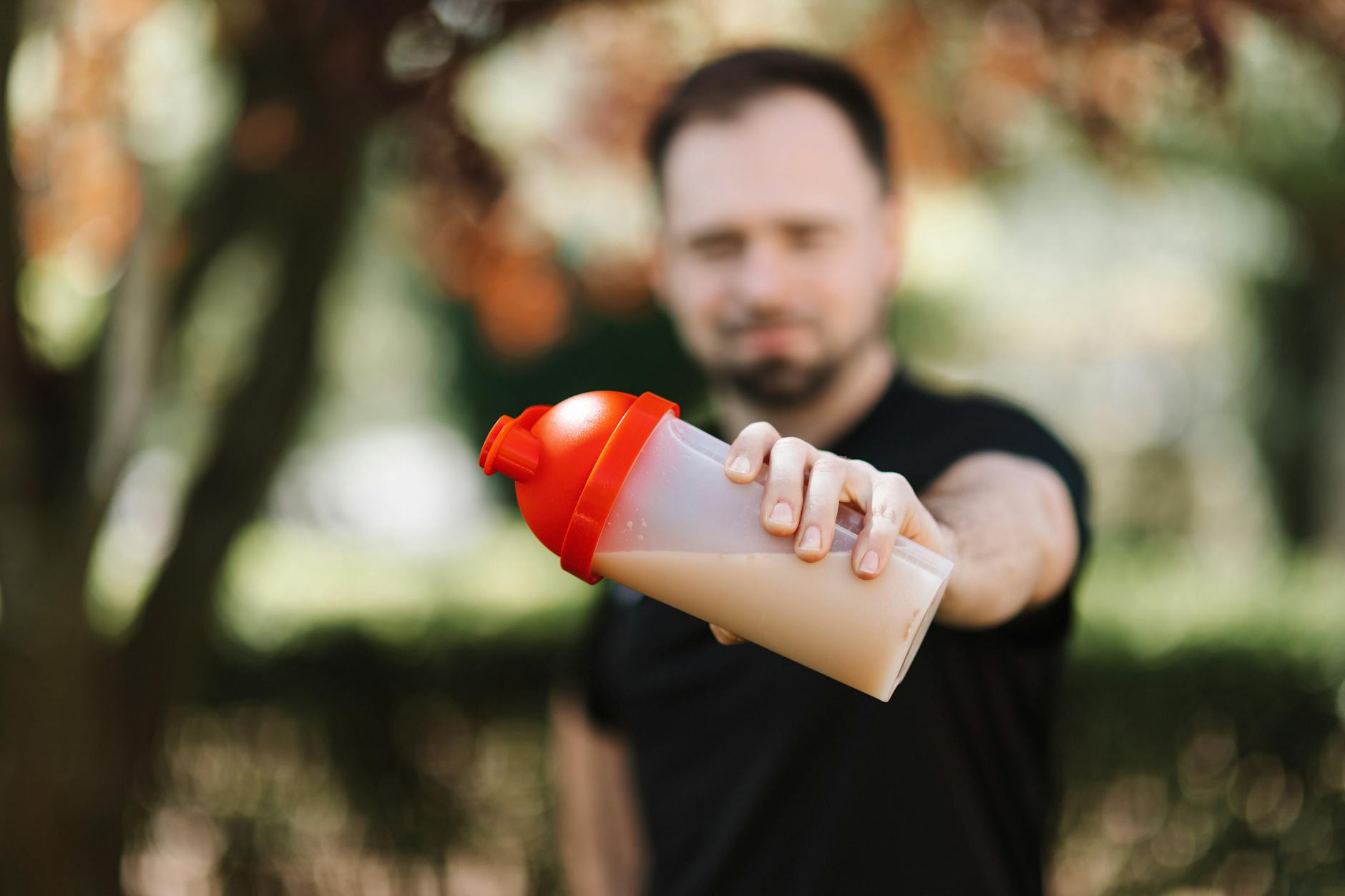
Protein provides the amino acids your body needs to repair damaged muscle fibers. The post-exercise window for protein is wider than the old 30-minute myth — consuming 25-40g within 0-4 hours of training is sufficient to optimize muscle protein synthesis.
Whole food sources (chicken breast: 31g per 4oz, Greek yogurt: 17-20g per cup, eggs: 6g each) are equally effective as protein powders. Shakes are a convenience tool, not a requirement. If you eat a protein-rich meal within 2-4 hours of training, no shake is needed.
Priority 2: Hydration and Electrolytes
You lose 0.5-2 liters of sweat per hour of exercise, containing sodium, potassium, magnesium, and chloride. Replacing these losses is critical for recovery, muscle function, and preventing cramps. Water alone is often insufficient after intense or prolonged sessions.
A simple DIY electrolyte drink: 16oz water + 1/4 teaspoon salt + squeeze of lemon + optional honey. This costs pennies and provides what most commercial electrolyte products charge $2-$3 per serving for.
Priority 3: Creatine (3-5g)
Creatine supports recovery through enhanced glycogen resynthesis and cellular hydration. While timing is not critical (daily consistency matters more), taking creatine post-workout may slightly improve absorption due to increased blood flow. Mix it with your protein shake or water — it is tasteless and dissolves easily.
⭐ Creatine Monohydrate
3-5g daily for recovery and performance. Mix post-workout or any time.
Priority 4: Anti-Inflammatory Support (Omega-3)
Omega-3 fatty acids (2-4g EPA+DHA daily) modulate the inflammatory response from training without completely suppressing it. Take with your next meal containing fat for optimal absorption. This is a daily supplement, not specifically a post-workout one — but its recovery benefits accumulate over time.
Priority 5: Sleep Support (Magnesium, Evening)
Recovery happens primarily during sleep. Magnesium glycinate (200-400mg before bed) supports sleep quality and muscle relaxation. This is your most important recovery supplement — not because of what it does immediately post-workout, but because it optimizes the 7-9 hours of repair that happen overnight.
What to Skip Post-Workout
BCAAs: Redundant if protein intake is adequate. Glutamine: No consistent recovery benefits for healthy individuals. Antioxidant mega-doses (vitamin C, E): Can actually blunt the adaptive response to training by suppressing necessary inflammation signals. NSAIDs (ibuprofen): Reduces muscle protein synthesis by 20-30% when taken post-exercise.
For the complete recovery framework, see our recovery guide.
Dr. Sarah Mitchell has over 12 years of experience in nutritional science and evidence-based wellness research.
Last reviewed: April 2026
Medical Disclaimer: This content is for informational purposes only. Consult a healthcare professional before changing your supplement routine.