Collagen Peptides for Joint Health and Recovery: What the Science Says
Collagen Peptides for Joint Health and Recovery: What the Science Says
Collagen is the most abundant protein in the human body — it makes up approximately 30% of total protein, forming the structural framework of tendons, ligaments, cartilage, skin, and bones. As we age, collagen production declines by approximately 1-1.5% per year after age 25, contributing to joint stiffness, slower injury recovery, and reduced skin elasticity.
Collagen supplementation has gained significant research attention in the past decade. The evidence is not as strong as creatine or omega-3, but it is growing and shows genuine promise — particularly for joint health and connective tissue recovery.
Collagen is a Tier 2 supplement in our complete supplement guide. This article provides the detailed evidence for joint health specifically.
How Collagen Supplementation Works
Hydrolyzed collagen (collagen peptides) is collagen protein broken into small peptides that are easily absorbed. When consumed, these peptides are absorbed into the bloodstream and have been shown to accumulate in cartilage and connective tissue, where they stimulate collagen-producing cells (fibroblasts and chondrocytes) to increase production.
A key study by Shaw et al. (2017) in the American Journal of Clinical Nutrition found that consuming 15g of gelatin (a collagen derivative) with 50mg of vitamin C 60 minutes before exercise doubled collagen synthesis rates in engineered ligament tissue. This suggests a specific timing protocol that may optimize the supplement’s effectiveness.
The Evidence for Joints
Joint pain in athletes: A 24-week study at Penn State found that collagen hydrolysate supplementation (10g daily) significantly reduced joint pain in athletes during activity, standing, and at rest compared to placebo.
Osteoarthritis: A systematic review in the International Journal of Rheumatic Diseases found that collagen supplementation reduced osteoarthritis pain scores and improved physical function over 3-6 months of use. The effect was modest but statistically significant.
Tendon and ligament recovery: The Shaw et al. study mentioned above provides the strongest evidence for collagen’s role in connective tissue repair. The vitamin C combination appears to be important — vitamin C is a required cofactor for collagen synthesis.
Dosage and Practical Use
Amount: 15-20g daily for joint and connective tissue benefits. Lower doses (5-10g) may support skin health but evidence for joint benefits at these doses is weaker.
Timing: 30-60 minutes before exercise or physical activity, combined with vitamin C. On rest days, timing is less important — take with any meal.
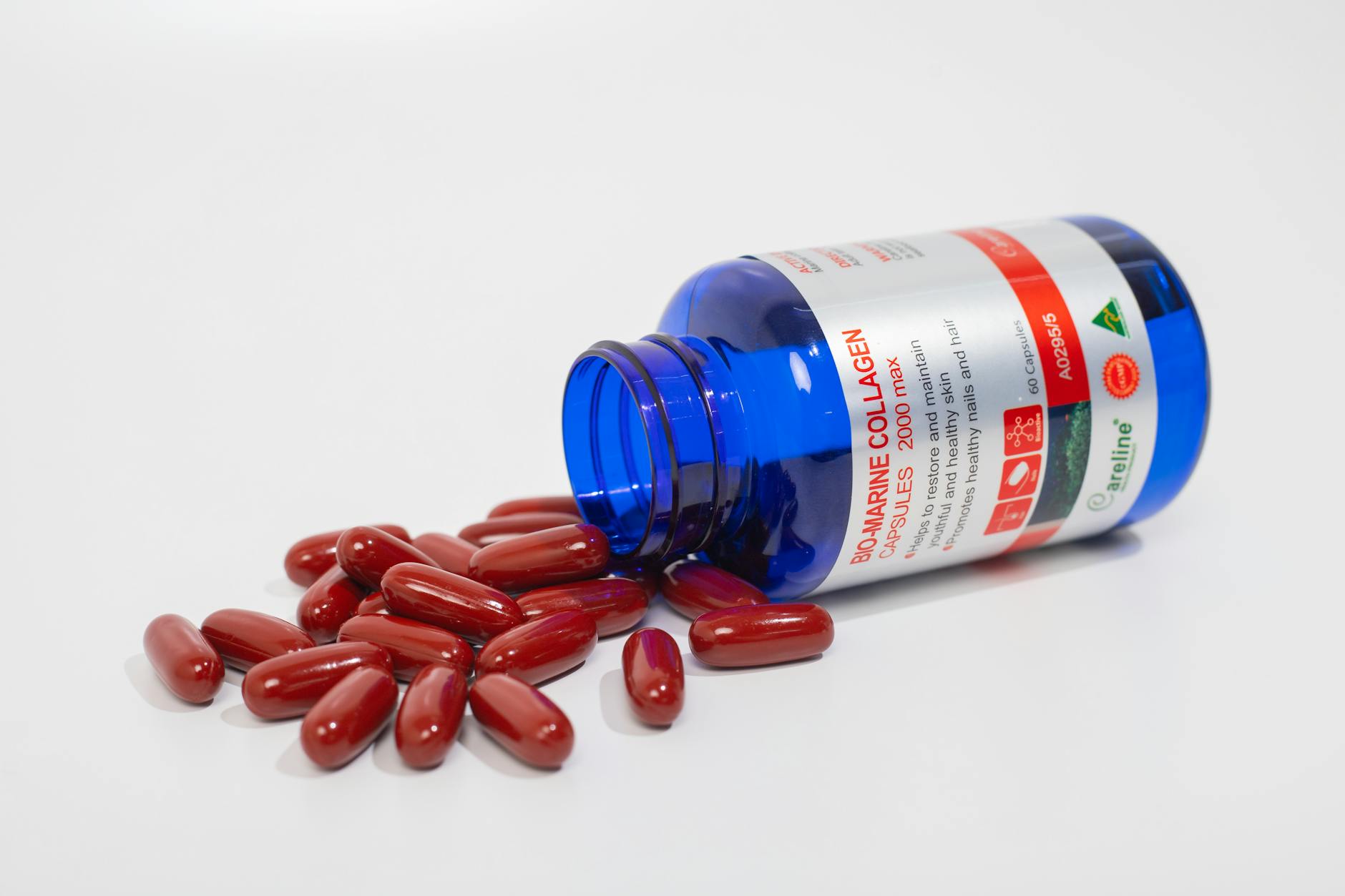
Form: Hydrolyzed collagen peptides (powder) dissolve easily in water, coffee, or smoothies. They are virtually tasteless. Capsules typically contain only 1-2g per capsule, making it impractical to reach 15-20g — powder is more efficient.
Duration: Benefits appear gradually over 4-12 weeks of consistent use. Most joint pain studies show significant improvements at the 12-24 week mark.
⭐ Collagen Peptides
Hydrolyzed for easy absorption. 15-20g daily with vitamin C for joint support.
Who Benefits Most
Collagen supplementation is most relevant for adults over 35 (natural collagen decline is noticeable), active individuals with joint discomfort during exercise, people recovering from tendon or ligament injuries, and anyone doing high-impact or repetitive movement sports (running, CrossFit, tennis).
If you are under 30 with no joint issues and eating a protein-rich diet, collagen supplementation is lower priority — your body is still producing collagen efficiently. Direct your budget to Tier 1 supplements first.
For the complete supplement tier system, see our supplement guide. For recovery protocols, see our recovery guide.
Dr. Sarah Mitchell has over 12 years of experience in nutritional science and evidence-based wellness research.
Last reviewed: April 2026
Medical Disclaimer: This content is for informational purposes only. Consult a healthcare professional before changing your supplement routine.