Creatine Monohydrate Vs Hcl: Updated for 2026 Insights

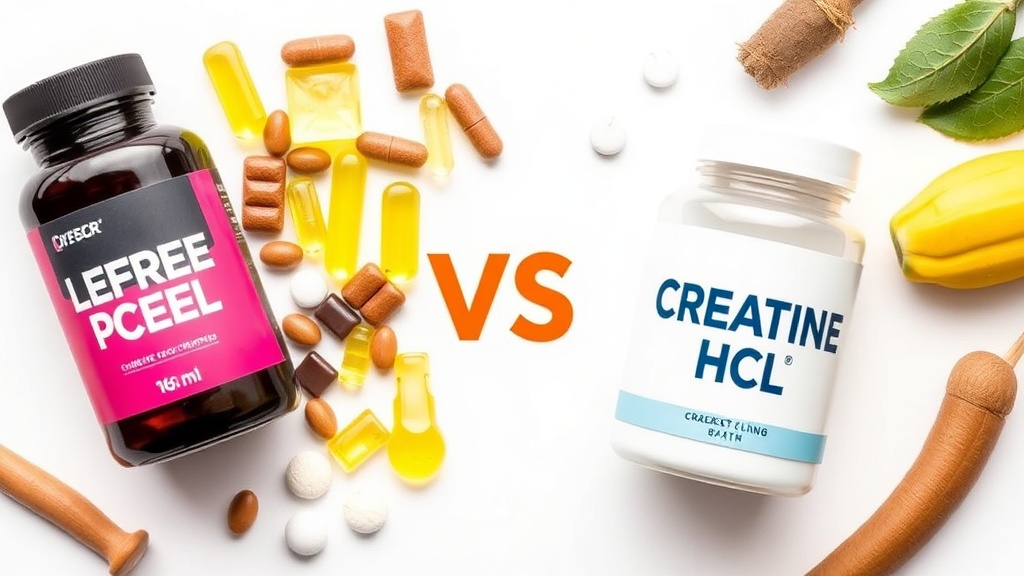
Creatine Monohydrate vs Creatine HCl: Which Is Better?

In the world of fitness and muscle building, creatine is a staple supplement that many athletes and gym-goers use to enhance their performance and results. However, with different forms of creatine available, such as creatine monohydrate and creatine HCl (Hydrochloride), it can be confusing to determine which is better suited for your needs. , we’ll explore the differences between these two popular forms of creatine, their benefits, and how to choose the right one for your fitness goals.

What is Creatine?

Creatine is a naturally occurring compound found in small amounts in certain foods and produced by our bodies. It’s stored in the muscles and used as a quick source of energy during high-intensity, short-duration activities like weightlifting and sprinting. By supplementing with creatine, individuals can increase their muscle stores of this compound, potentially enhancing athletic performance and muscle growth.

Creatine Monohydrate

Creatine monohydrate is the most researched and widely used form of creatine. It’s known for its effectiveness in improving muscle strength, power, and overall exercise performance. This form is typically available in powder form and is often mixed with water or a blender shake. Creatine monohydrate is highly regarded for its excellent safety profile and affordability.

Creatine HCl

Creatine HCl is a newer form of creatine that is touted for its enhanced solubility and absorption. Because of its higher solubility, it is believed to cause less bloating and water retention compared to creatine monohydrate. Users may also require a smaller dose of creatine HCl to achieve similar benefits, which can be particularly appealing to those who experience stomach discomfort with monohydrate.

Benefits Comparison

Both creatine monohydrate and creatine HCl can help improve muscle strength, increase power , and enhance overall performance. However, the choice between the two often comes down to personal preference, digestive comfort, and cost. Creatine monohydrate is generally more cost-effective and well-studied, while creatine HCl might be favored by those who experience digestive issues with monohydrate.

To complement your fitness journey, consider incorporating additional supplements like a citrus burn fat burner or a high-quality multivitamin.

Side Effects and Safety

Creatine is generally considered safe for most individuals when taken in recommended doses. Some common side effects can include gastrointestinal discomfort, bloating, and dehydration. Creatine HCl may reduce these side effects due to its improved solubility. As always, it’s essential to consult with a healthcare provider before starting any new supplement regimen, especially if you have pre-existing health concerns.

How to Choose the Right Creatine

When deciding between creatine monohydrate and creatine HCl, consider factors such as cost, personal digestive tolerance, and your specific fitness goals. If you’re looking for a tried-and-tested option with abundant research backing its efficacy, creatine monohydrate is a solid choice. On the other hand, if you prefer a supplement that may offer less bloating and requires a smaller dosage, creatine HCl might be the better option for you.

For those looking to further enhance their workouts, exploring products like a versatile fitness tracker or dumbbells can be beneficial.

Conclusion

Ultimately, both creatine monohydrate and creatine HCl offer valuable benefits for those looking to enhance their athletic performance and muscle growth. The best choice depends on individual preferences and needs. By understanding the differences and potential advantages of each form, you can make an informed decision that aligns with your fitness goals.


About the Author: Dr. Sarah Mitchell, Senior Health Researcher
Dr. Sarah Mitchell has over 10 years of experience in nutritional science and wellness research.
Last reviewed: March 10, 2026
Medical Disclaimer: For informational purposes only. Consult a healthcare professional before starting any supplement or fitness program. Affiliate Disclosure: This article may contain affiliate links. We may earn a commission at no extra cost to you.

Similar Posts